TA Guest Ranch

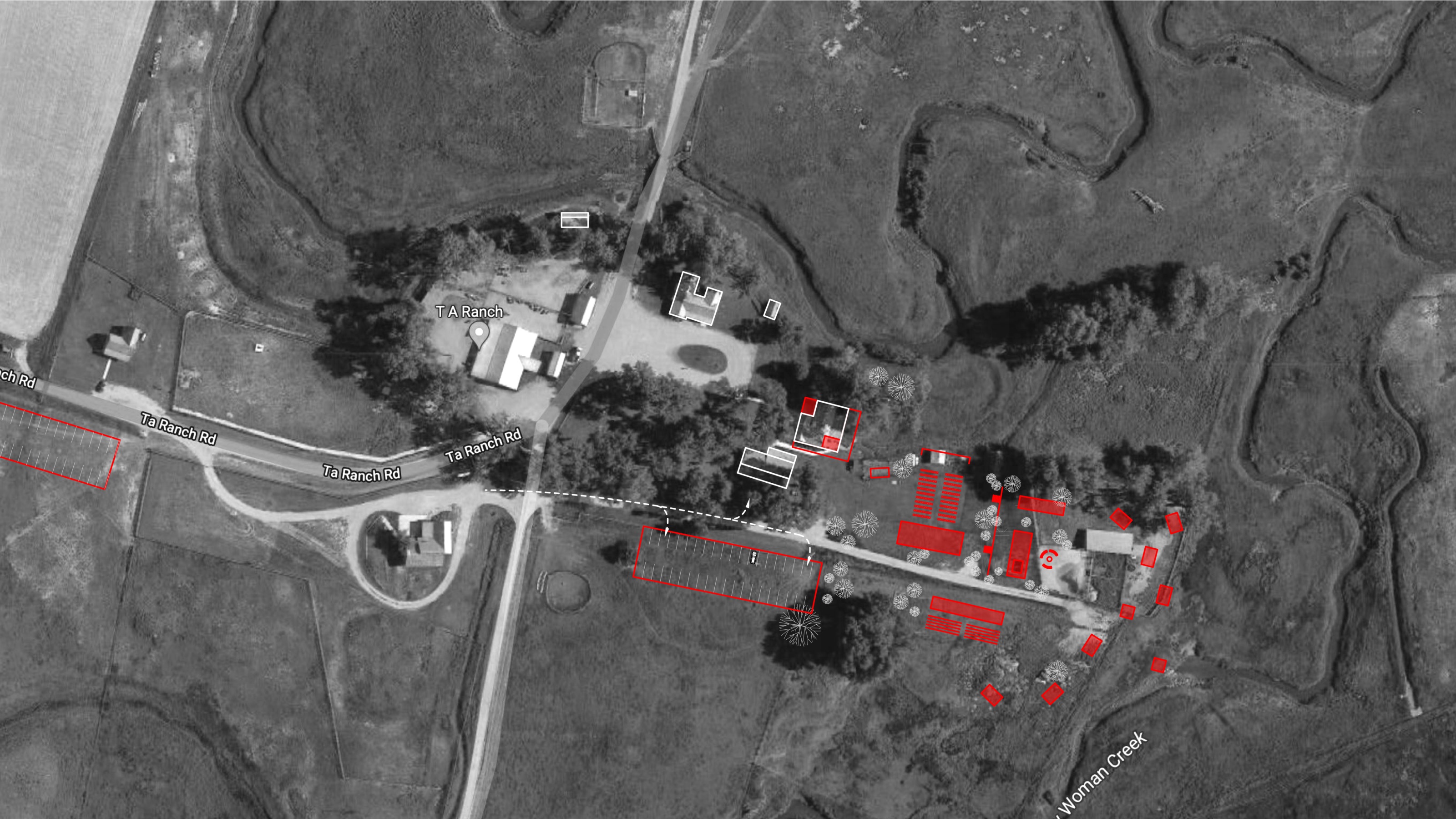
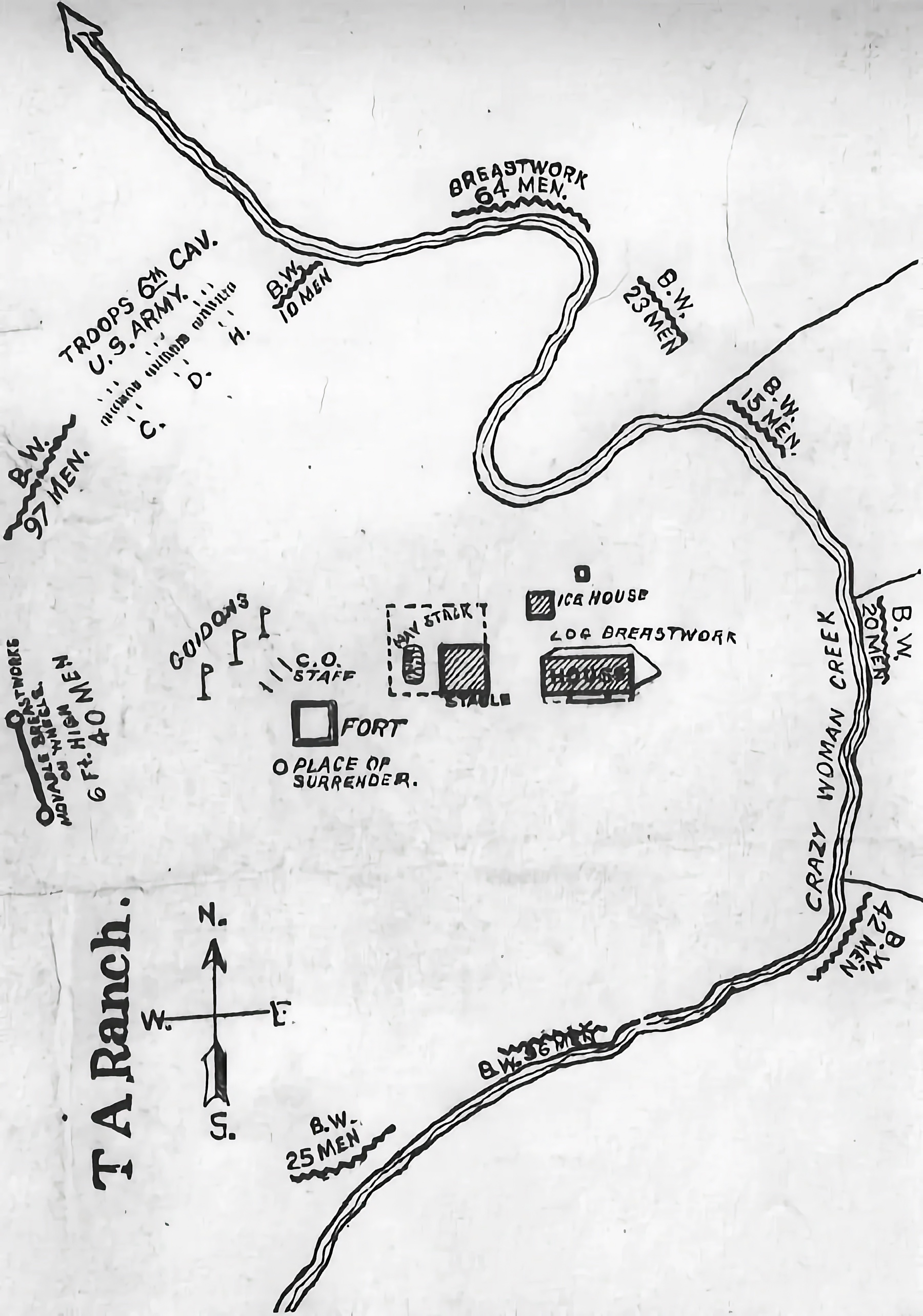
The TA Ranch has been in continuous operation since 1882, and is owned and operated by a fourth-generation Wyoming family. The ranch is the site of the 1892 Johnson County War and is a Smithsonian Institute National Landmark. The ranch sits at the eastern lee of the Rocky Mountains, near a narrow passage that served native people for hundreds of generations, opening to a wide plane that brought white settlers expanding west. Though many of its buildings date back 150 years to the founding of the ranch, we were retained to plan the next phase of developement that would allow the ranch to grow to meet new demands while adhering to its authentic roots and landmark status
Project

We were asked to assess the existing site conditions and plan the next phase of development that would allow the ranch to grow to offer new services while adhering to its authentic roots and landmark status.

Landscape

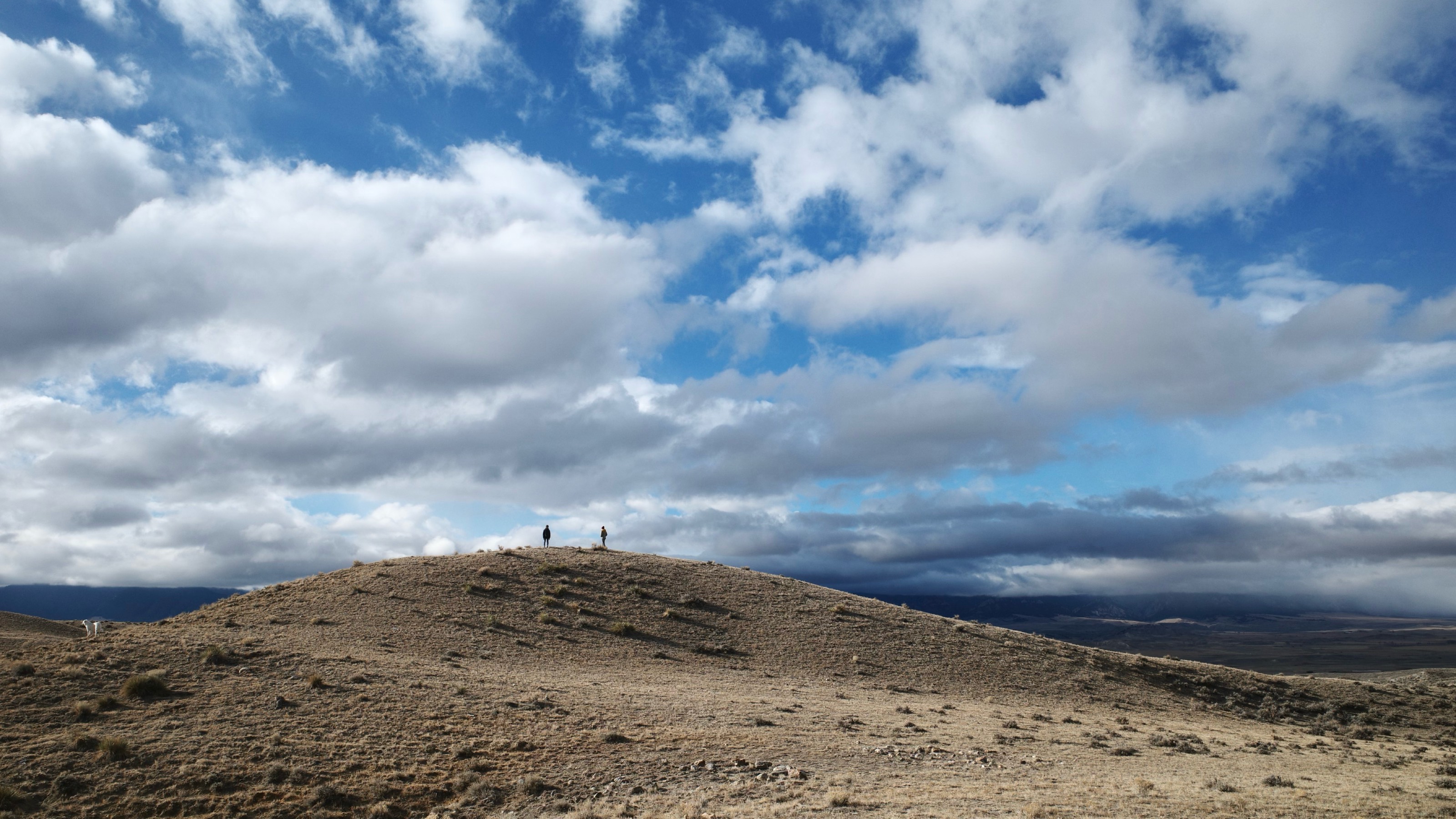
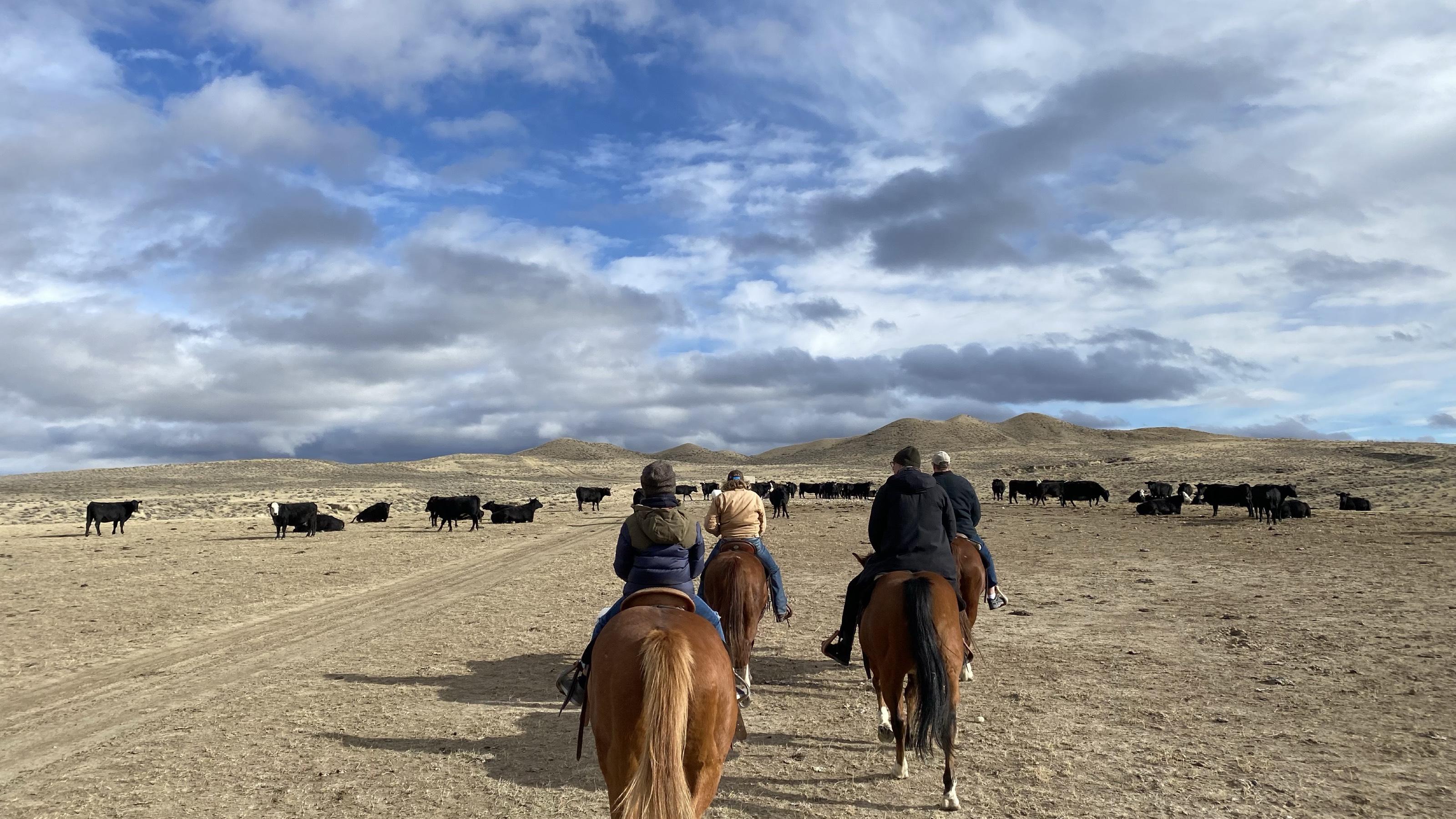
The Wyoming landscape is as alien as anything you can imagine. Rolling, grassy plains. Dry prairies dotted with shrub-steppe, sagebrush, and ephemeral wetland. Rocky, jagged formations rising from the earth. Wyoming offers a landscape that is nothing short of spectacular, alternating between lush prairie and stark desert, rugged mountains, and wooded areas. Site planning should include native plants and wildlife habitats.

Architecture

The original buildings on the ranch grew out of the harsh conditions of the landscape. They were organized and built for a specific purpose, using local materials and proven methods. In a globalized world, vernacular architecture has given way to generic ideas and cheap materials. It is important to retain the authentic, vernacular qualities of the ranch. Use established techniques, local materials, and sustainable methods whenever possible. Keep things simple, practical, and earnest.

Authenticity

The TA Ranch is a working ranch. Inherent in this is a feeling of authenticity, with a deep respect for the people and the animals that have graced this land for generations. Any decisions that are made from an architecture perspective or programming perspective have to be based in a desire to preserve this authenticity. The moment you lose that authentic quality, you cannot get it back. This will be a recurring theme in everything we discuss.

Sun

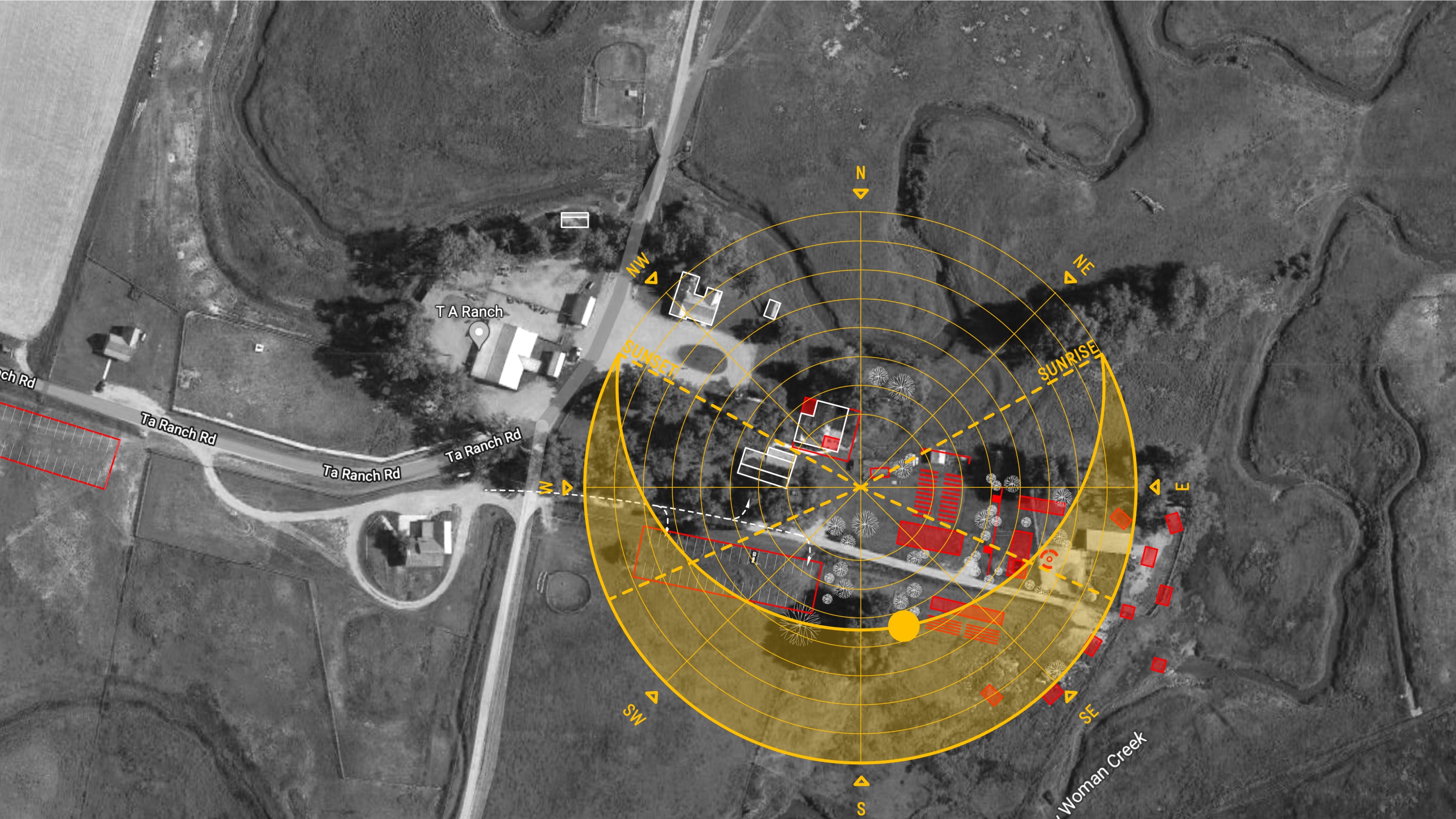
Solar diagrams illustrate the sun's path across the sky, including sunrise, sunset, sun altitude, sun azimuth, and sun exposure. These particular diagrams—which illustrate the sun's path at the longest day (summer solstice) and shortest day (winter solstice)—help us plan building orientation, glass exposure, shading elements, roof overhangs, and other architectural and landscape elements. Because the ranch frequently hosts events, we used these digagrams to strategize the sunlight angles for afternoon wedding photography, shade for an evening music stage, and breakfast in the sun room.

Lorem ipsum dolor sit amet, consectetur adipiscing elit.

Wind

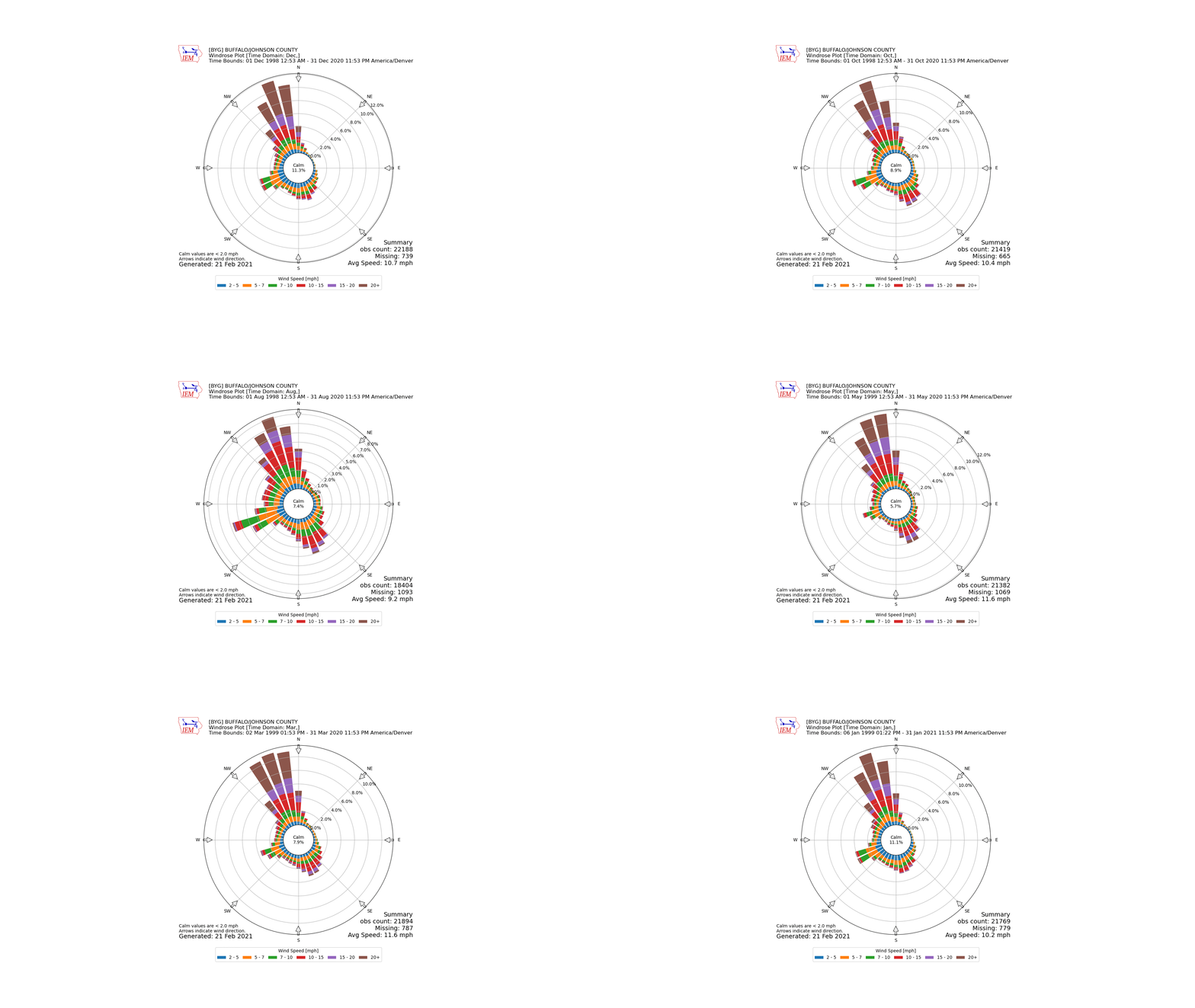
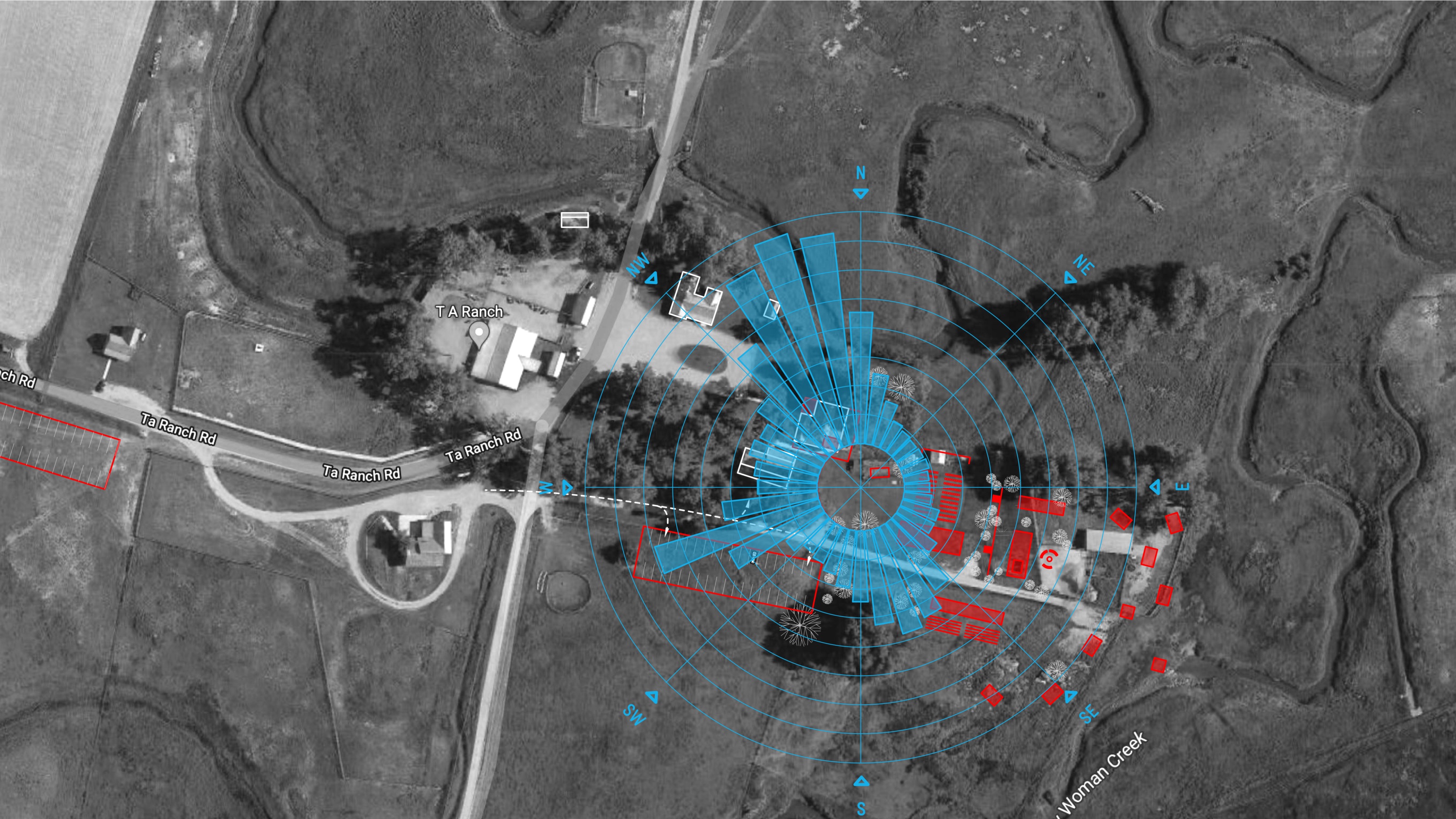
We collected and analyized public data to determine prevailing wind direction and speed across all seasons. This allowed us to position buildings, trees, and landscape elements to block wind in key areas during the seasons when it matters most.

Wind study overlaid on site plan, illustrating protected and exposed wind corridors.

Topography

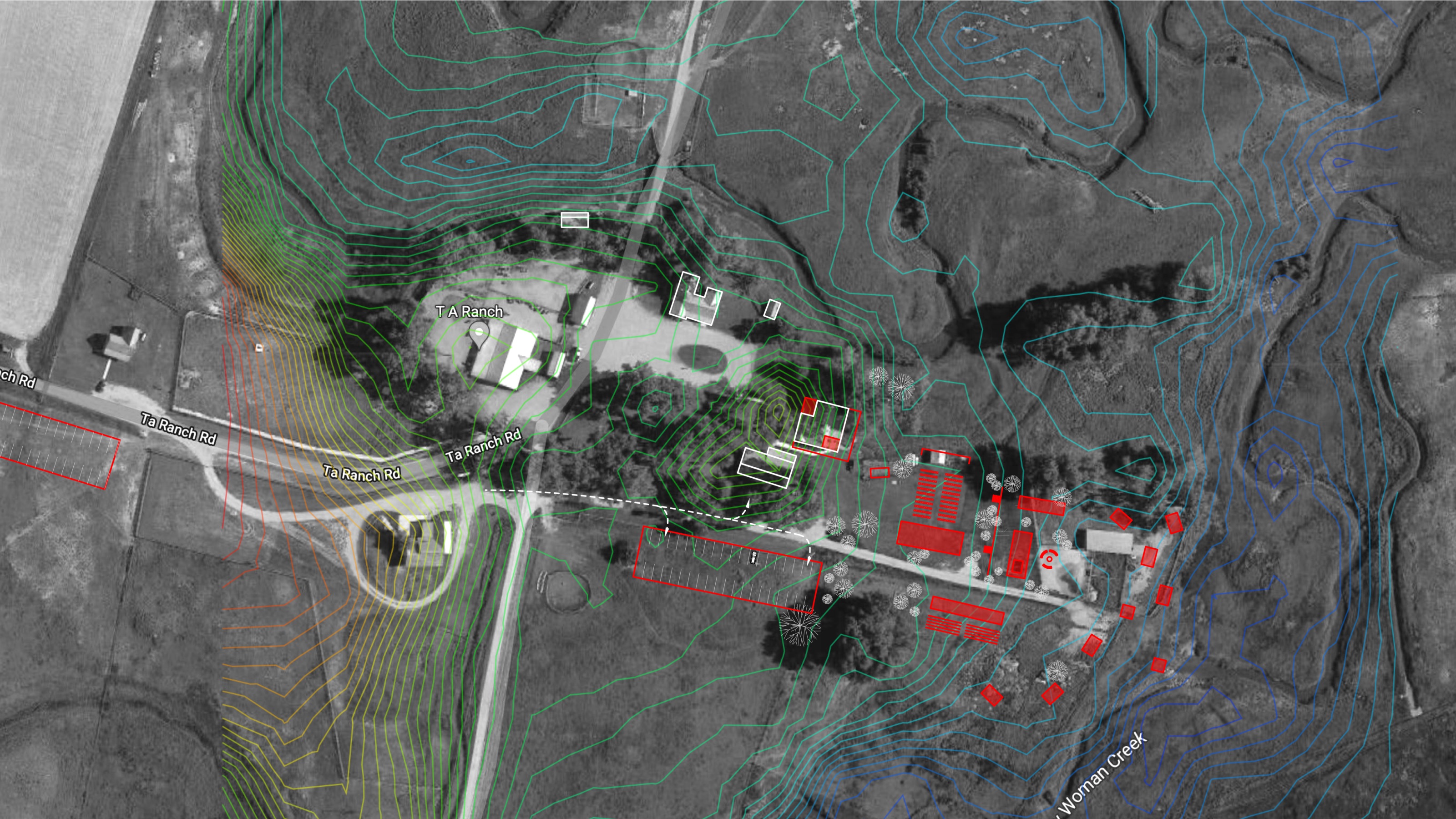
We overlay topographic features to design buildings and other site elements into the natural landscape. We can take advantage of the natural grade to create more public and private areas. Grading can help create the right level of separation between spaces.

View

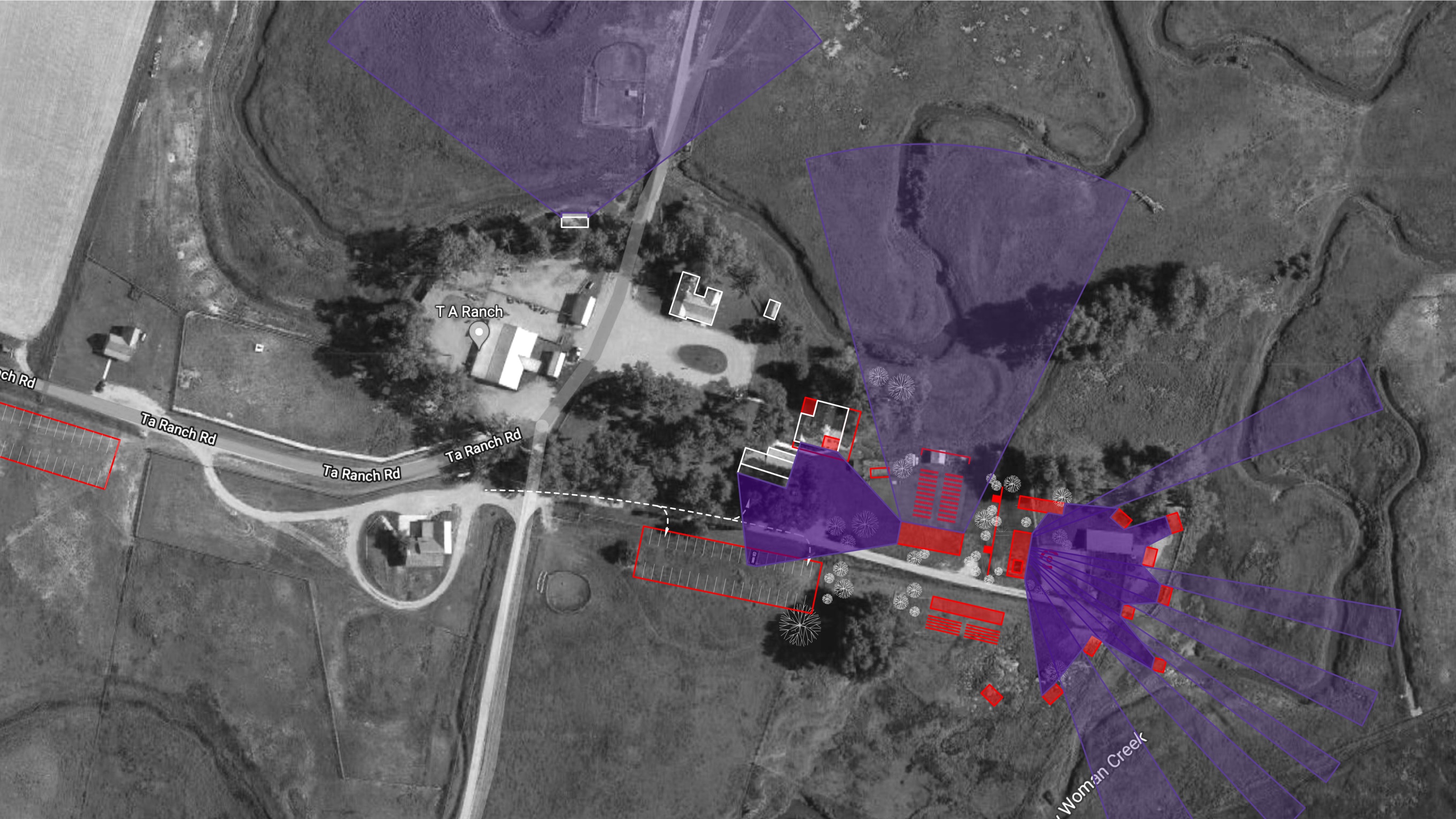
We created a sightline plan to position buildings and landscape elements to frame views, clarify way-finding for guests, and conceal services and utilities. We can create intimate, enclosed views from the bath house or long, sweeping views from guest cabins. We can plan an outdoor wedding to create the most photogenic backdrops for guests. We can optimize guest way-finding. Can guests see the front door from the parking lot? Is it intuitive to see other guests gathering for a wedding? Are we concealing services and utilities? Are we blocking views in an unsightly way?

Wind study overlaid on site plan, illustrating protected and exposed wind corridors.

Topography

We overlay topographic features to design buildings and other site elements into the natural landscape. We can take advantage of the natural grade to create more public and private areas. Grading can help create the right level of separation between spaces.

Sound

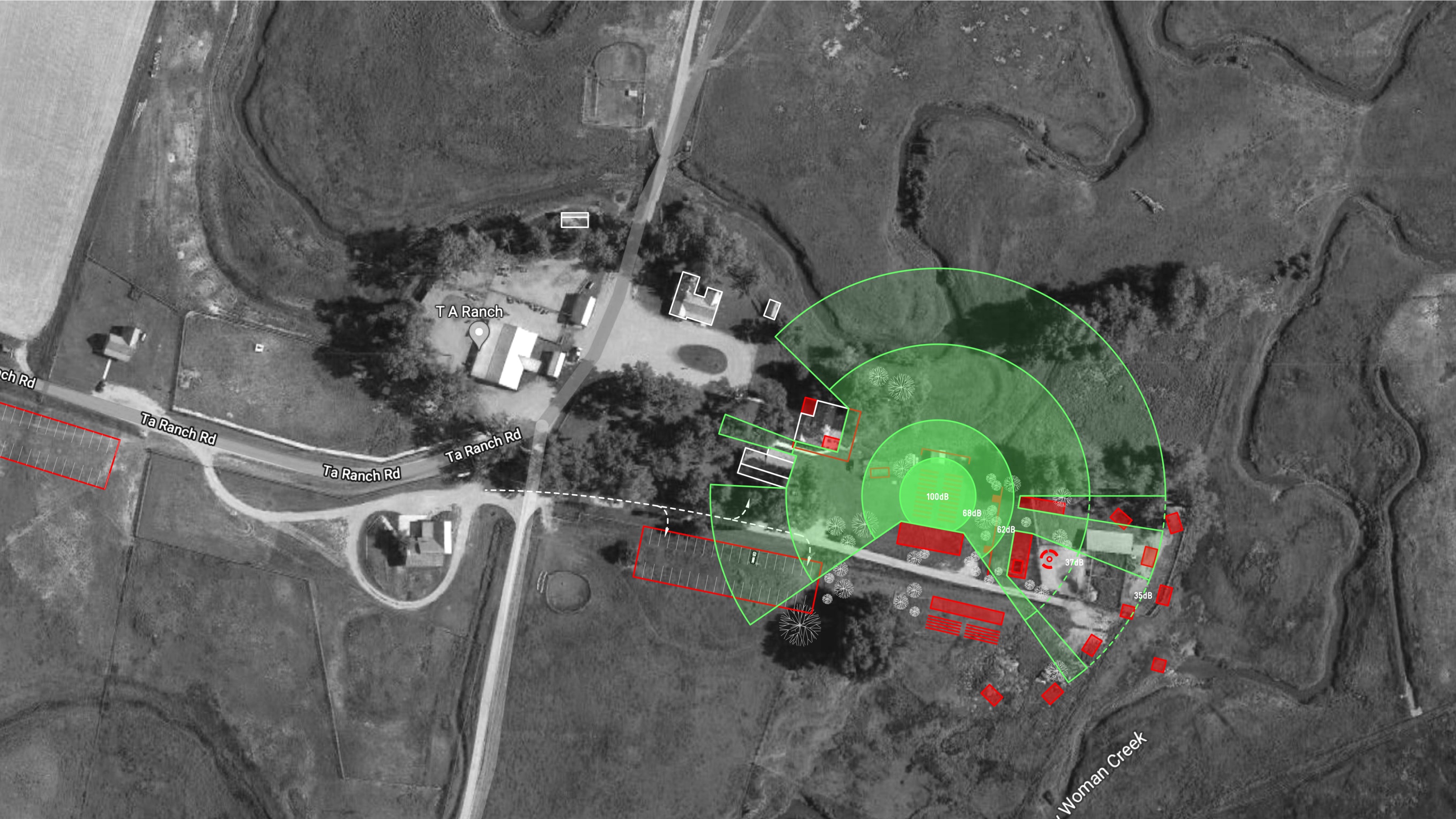
We will use an acoustic plan to identify primary sources of sound to predict how sound will move around buildings and landscape elements so we can design the ideal guest experience. Certain areas, like the road house, will be tuned for weddings, parties, and festivals. Other areas, like the bath house and guest cabins, will be shielded from noise to create quiet, introspective spaces.

Wind study overlaid on site plan, illustrating protected and exposed wind corridors.

Topography

We overlay topographic features to design buildings and other site elements into the natural landscape. We can take advantage of the natural grade to create more public and private areas. Grading can help create the right level of separation between spaces.

Privacy

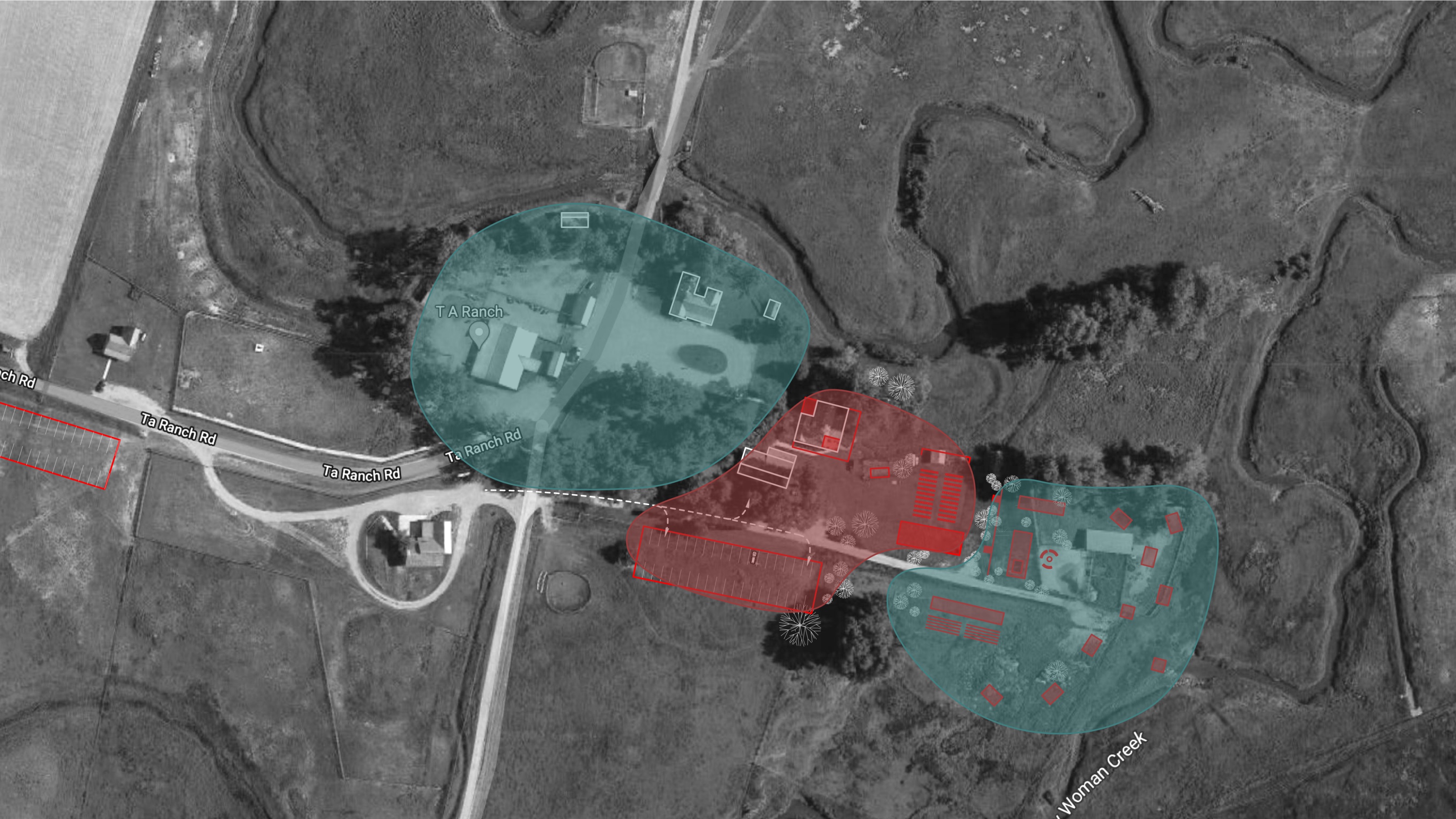
A well-considered site plan should establish zones for more public and private spaces. Highly active public spaces should be open, accessible, and lively. Quieter public spaces allow for a more introspective environment for guests, staff, and animals. Because this is a live/work/host space, it’s incredibly important to take this into account during master planning.

Wind study overlaid on site plan, illustrating protected and exposed wind corridors.

Topography

We overlay topographic features to design buildings and other site elements into the natural landscape. We can take advantage of the natural grade to create more public and private areas. Grading can help create the right level of separation between spaces.

Buildings

We use a site plan to identify and design long-term strategies for utilizing and developing the site. The arrangement of each structure and landscape elements is deeply interconnected with business goals, ranch logistics, and guest services. A well-developed site plan will maximize the natural assets of the site.

Wind study overlaid on site plan, illustrating protected and exposed wind corridors.

Topography

We overlay topographic features to design buildings and other site elements into the natural landscape. We can take advantage of the natural grade to create more public and private areas. Grading can help create the right level of separation between spaces.